September 24, 2026
By Lane Kimble
Wisconsin faces a double-whammy that’s costing drivers and the impacting the state’s economy.
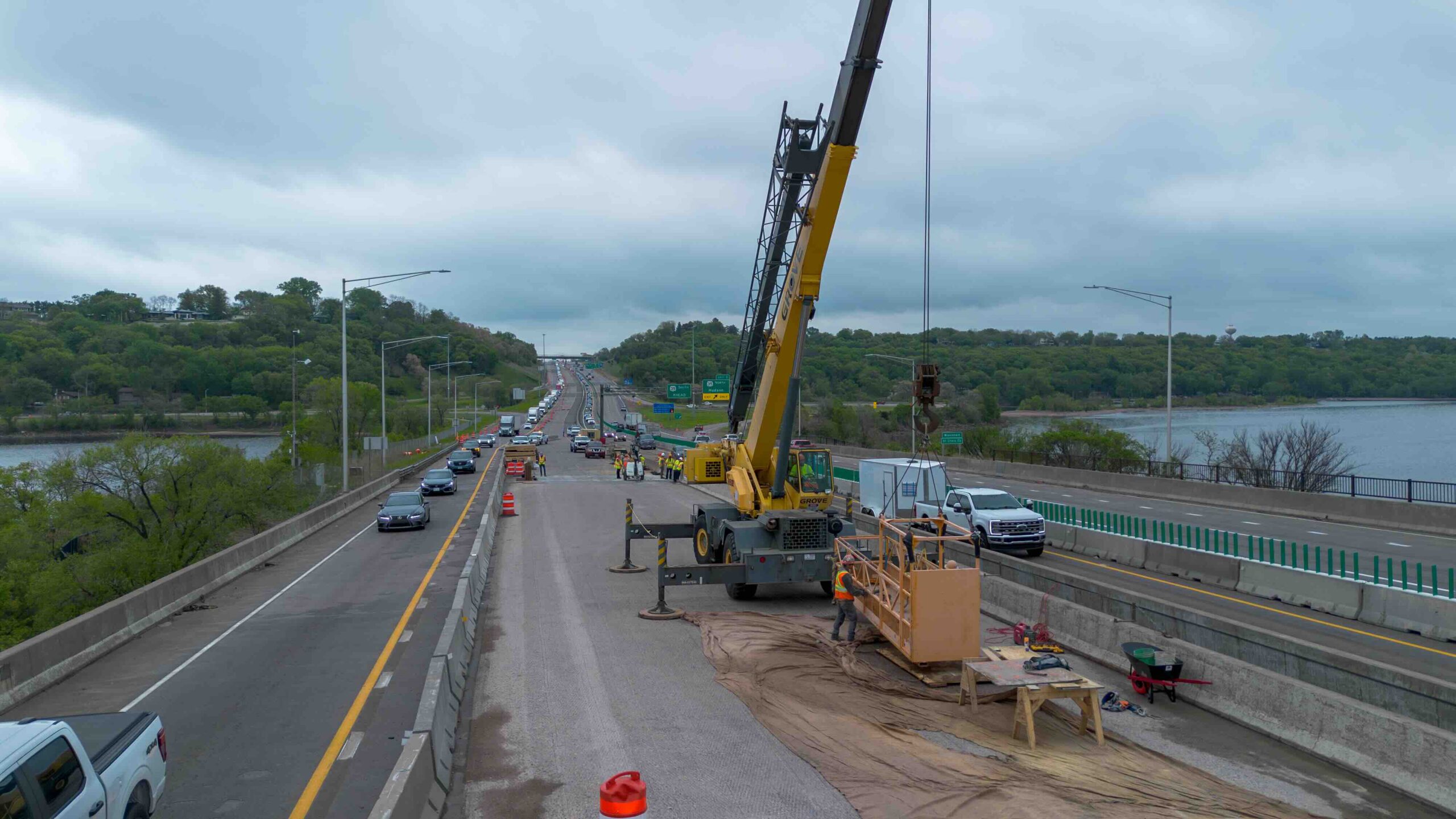
Nearly half (42%) of Wisconsin’s major state and local roads are in poor or mediocre condition, but WisDOT and communities don’t have the money to fix or maintain them, according to national transportation research non-profit TRIP.
TRIP released its report called “Wisconsin Transportation By the Numbers: Providing a modern, sustainable transportation system in the Badger State” on Thursday morning.
The report says WisDOT faces an average funding gap of $313 million per year just to maintain roads in their current condition.
A key reason for that gap is due to the state’s primary method of paying for construction which has been frozen for 20 years.
The gas tax and registration fees account for 77% of WisDOT’s revenue, but the amount of money the gas tax generates has fallen by ⅓ since 2006. That’s when lawmakers stopped indexing the gas tax for inflation, locking it at 32.9 cents-per-gallon.
Inflation has driven up construction costs by 48% from 2022-25.
Drivers in Illinois (70.4), Indiana (63.1), and Michigan (53.4) all pay significantly more in gas taxes.
Meanwhile, people drove 68.7 billion miles on Wisconsin’s roads in 2025, which is 4% higher than 2019, before the pandemic. All that traffic breaks down roads and can snarl commutes in cities.
TRIP’s report found poor road conditions cost drivers $9 billion per year due to wear and tear, time wasted in traffic, and crashes. Those issues can have a ripple effect on businesses and companies deciding whether to invest in the state.
“Wisconsin doesn’t just need more road funding, it needs the funding that is stable, consistent and predictable,” Commercial Association of Realtors Wisconsin CEO Tracy Johnson said during the TRIP report news conference.
“My members are developers and lenders and tenants… these businesses and these developers are making business decisions 20 and 30 years out and they need that peace of mind.”
The report underscores the challenge lawmakers face when they begin working on the next state budget this winter.
Beyond the annual maintenance funding gap, WTBA analysis shows a more than $1 billion funding shortfall to keep Major and Mega projects such as the I-94 East-West expansion on schedule.
“Making needed improvements to the state’s roads, highways, bridges and transit systems would provide a significant boost to the economy… (but) numerous projects to improve the condition and expand the capacity of the state’s roads, highways, bridges and transit systems will not proceed without a boost in funding,” TRIP’s report concludes.